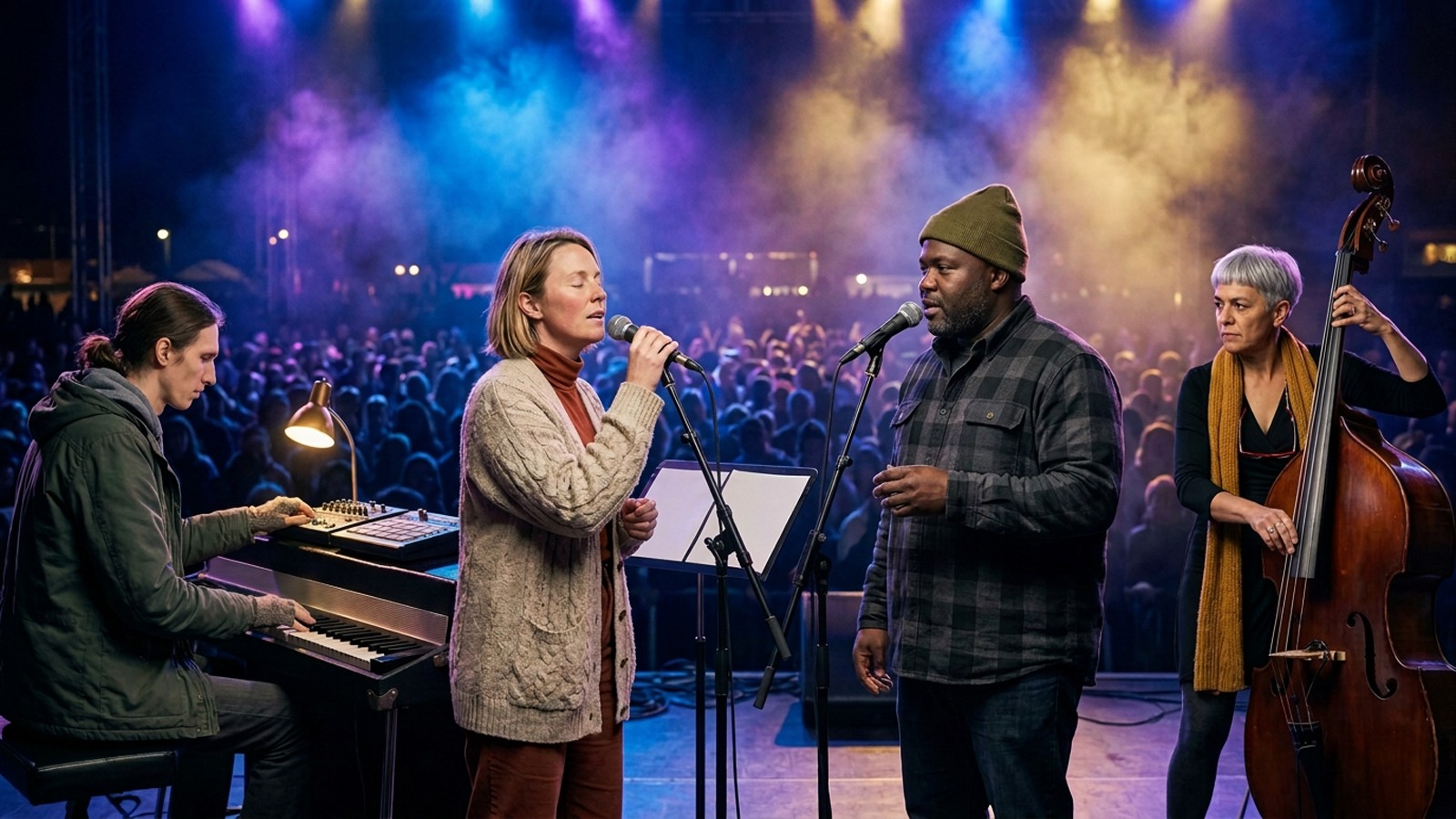
Carrel Nine is named after the study desk on the second floor of the Duluth public library where Owen Pietila, then a library page, kept a borrowed cassette deck and made beats after closing. Maren Halvorsen taught English to adults in the community college's evening program across the street. Curtis Blackwell, an HVAC technician, was one of her students the year he went back for his associate degree. He read a paragraph aloud in class with a rhythm she couldn't shake, and she brought him to one of Owen's sessions. Joanne Kowalczyk, a recently retired school band director, heard their first tape at a library open-mic night. She told them the bass on it was "a polite suggestion" and turned up the next week with her upright. The band makes slow, warm jazzhop for people who study at kitchen tables after work: adult learners, night-shift students, anyone starting over at forty. The songs are about homework done tired, the pride of a passed exam, lake-effect snow on the bus home, and the stubborn idea that it is never too late to learn something properly. They release on cassette and online, play libraries and community-college halls more often than clubs, and record everything in Owen's rented room above a laundromat on Superior Street.
Carrel Nine is made up: the members, their story, their faces and their voices are AI-generated for NeuralBeats Originals. Their songs are written and sung by AI, two band songs an hour on the live stream; name the band in the chat and theirs is the next new song.


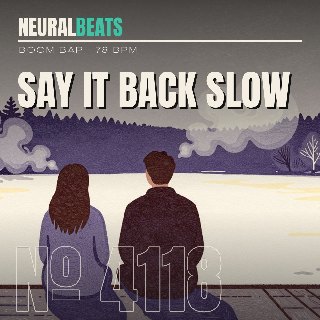


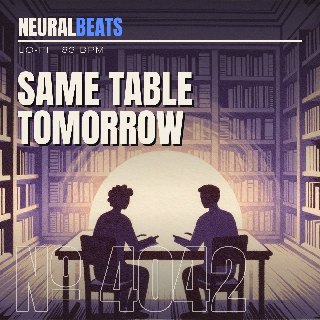
The band
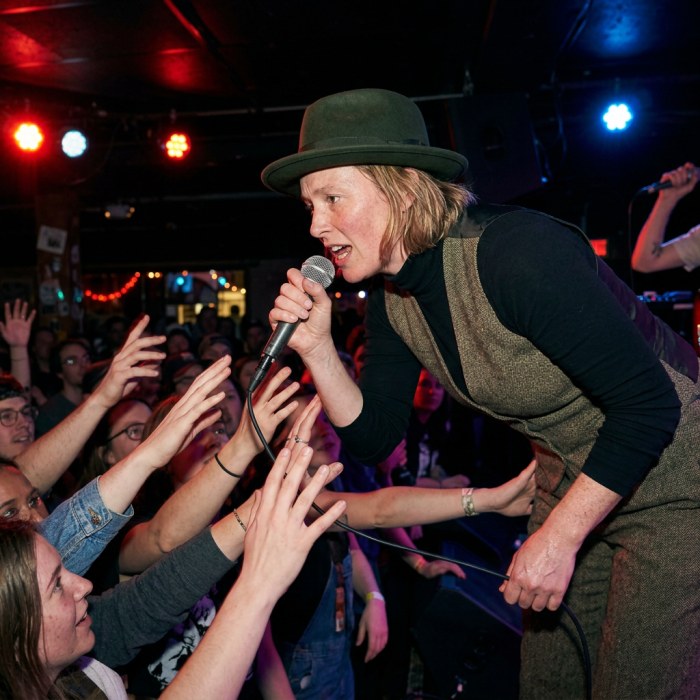 Maren Halvorsenlead vocals, lyrics
Grew up in Two Harbors, sang in a Lutheran church choir and studied linguistics at the state university. She still teaches evening English classes to adult learners and writes most lyrics from things her students say. She is warm but blunt: in the studio she wants one honest take, not ten polished ones, and she will stop a song halfway if the words feel false. Onstage she talks to the audience like a class she likes, without much showbiz. She is wary of attention and turns down interviews that aren't about the music. Her rough edge is a dry stubbornness. Once she has decided a line is true, nobody gets it out of the song.
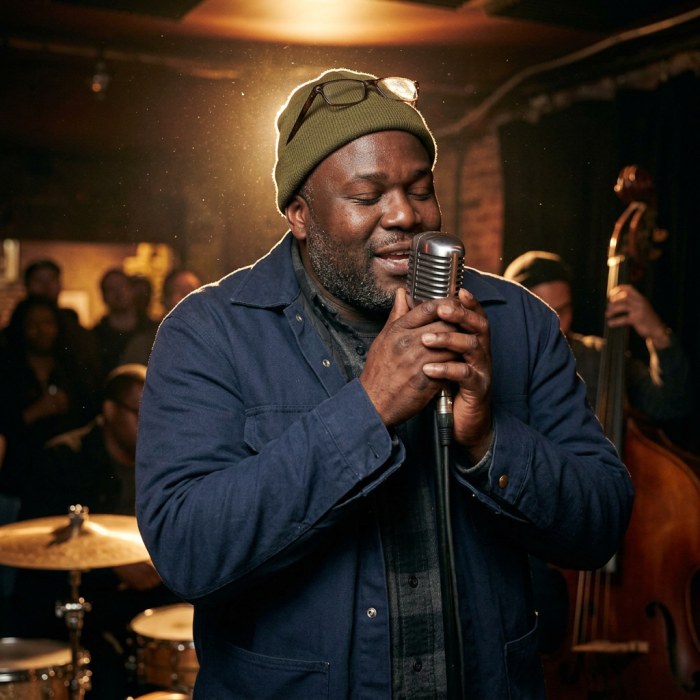 Curtis Blackwellco-lead vocals, half-spoken verses
Born in Chicago and moved north for an HVAC apprenticeship at nineteen. He still fixes furnaces all winter and went back to school at 37. He never trained as a musician. He wrote rhymes in notebooks for twenty years and showed them to nobody until Maren's class. His verses are conversational and patient, closer to talking than rapping, and full of small working details. He is generous and funny, and he is the one who welcomes the crowd. He can also be thin-skinned about his lack of training and sometimes over-prepares, arriving with three notebooks of drafts. In the studio he needs the beat looped for an hour before he will say a word into the mic.
 Owen Pietilaproducer, fender rhodes, sampling
Finnish-American, raised in a quiet household on the Iron Range. Self-taught on a secondhand Rhodes, with piano lessons he quit at twelve. He worked as a library page for six years and still shelves books two mornings a week. He made beats alone for years and released them anonymously before the band existed. He is a private perfectionist who reworks a drum loop for days and can't explain why the old one was wrong. He avoids photographs, rarely speaks onstage and doesn't care about streaming numbers. He thinks music should be useful to someone's evening rather than impressive. His edge is that he goes silent instead of arguing, which the others have learned to read.
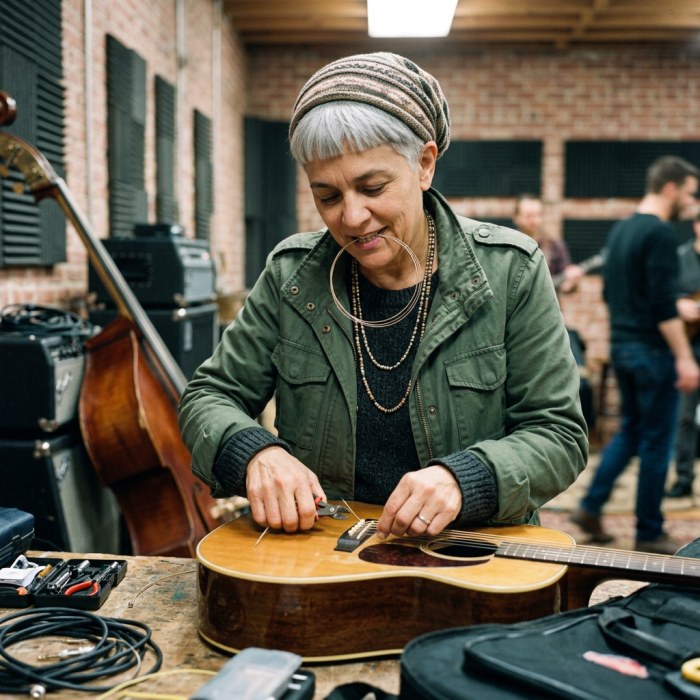 Joanne Kowalczykupright bass
Polish-American from Superior, Wisconsin, conservatory-trained on double bass. She played twenty-five years in regional orchestras and jazz trios while directing a middle-school band program, and retired early to play the music she actually liked. She is the band's timekeeper and unofficial manager: organised, impatient with lateness and very funny about it. She plays behind the beat on purpose and refuses to quantise her takes. Onstage she is the one grinning at the others. Her rough edge is that she corrects everyone as if they were still twelve and in her band room.
What they sing about
Showing up tired after a full shift is braver than anything you did at eighteen, and nobody is too old to sit in the front row.
The kitchen table after the dishes is the most honest classroom there is: one lamp, cold coffee and a problem you'll solve before bed.
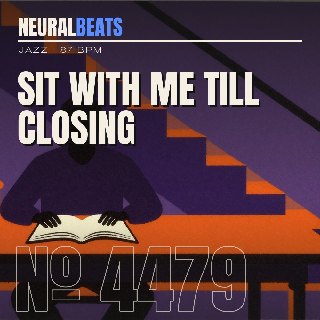
The public library is the last warm room in town where nobody asks you to buy anything, and it deserves a love song.
A failed test is a draft rather than a verdict. You retake it, and the second pass counts more.
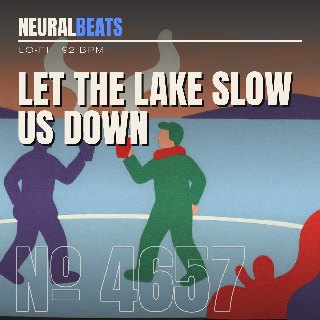
Lake-effect snow slows the whole city down to the right tempo. The cold is something to study through, not to hide from.
The last bus is a moving study hall full of strangers with flashcards, and the rattling windows keep good time.
Fixing a furnace and solving an equation are the same kind of thinking. Calloused hands belong in a lecture hall.
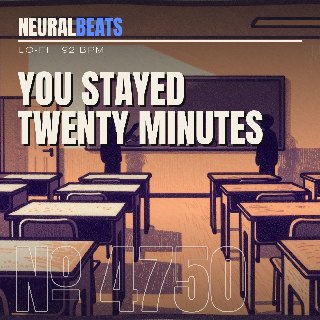
The teacher who stays twenty minutes after class changes more lives than any famous name, and should be thanked out loud.
Beginning again at forty is not a defeat. It's the first time you chose the subject yourself.
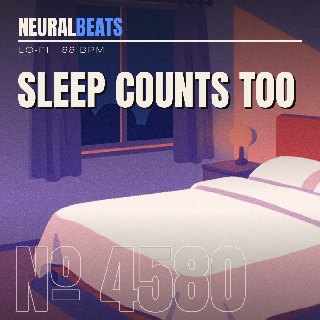
Sleep is part of the work. Closing the book at midnight is discipline, not quitting.
The cap and gown matter less than the person in the third row clapping too loud, who's next.