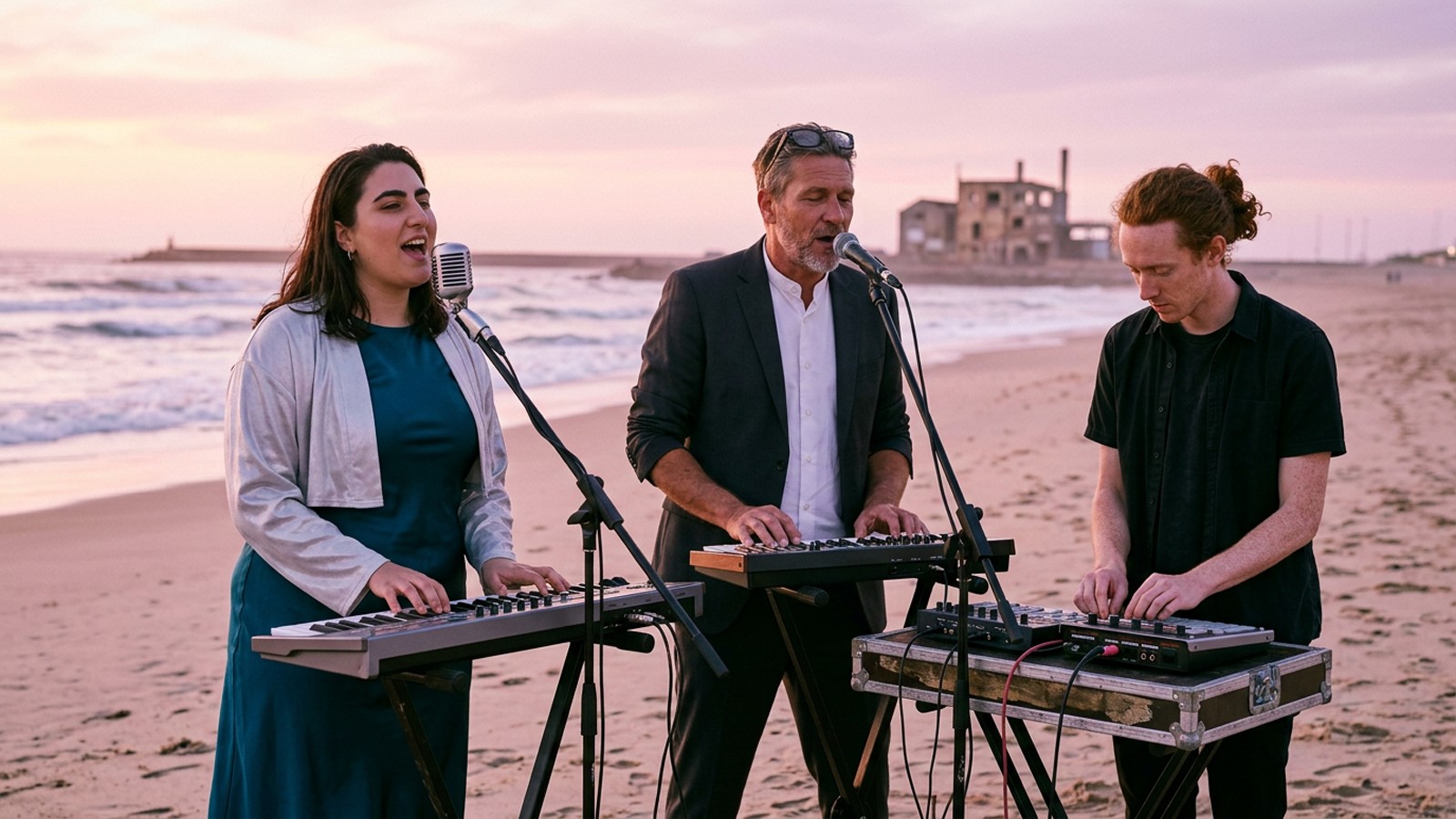
Telemetry Lido started in the back room of a synth repair shop two streets from the harbour in Matosinhos, where Tiago Mendes fixed broken keyboards that nobody else would take on. Inês Carvalho brought him a water-damaged polysynth from the planetarium where she ran the dome sound. He fixed it in a week and asked her to stay and play it. Rui Teixeira, a crane operator at the container port who sang at the shop's Friday jam nights, joined a month later because he was the only one who knew all the words to the old songs on the shop radio. They recorded their first tape on a winter night with the shop shutter half down and the sea fog coming in off the breakwater. Their sound is the slow, wide end of synthwave: tidal tempos, chorus-soaked pads, a drum machine that sounds like distant surf. The idea behind it is stubborn optimism. The future they grew up promised in old science magazines didn't arrive on time, but they think it's still on its way, and the songs are written for people keeping a place ready for it: night swimmers, satellite watchers, people repairing things instead of throwing them out. They release a song when it's done and not before, play mostly in harbour warehouses and open-air pools after closing time, and still keep their day jobs.
Telemetry Lido is made up: the members, their story, their faces and their voices are AI-generated for NeuralBeats Originals. Their songs are written and sung by AI, two band songs an hour on the live stream; name the band in the chat and theirs is the next new song.
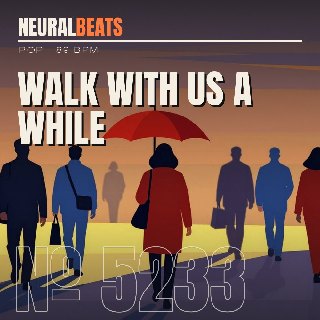
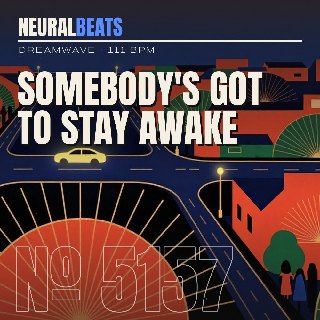
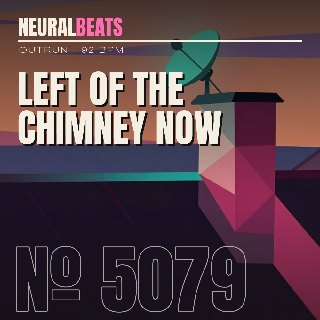
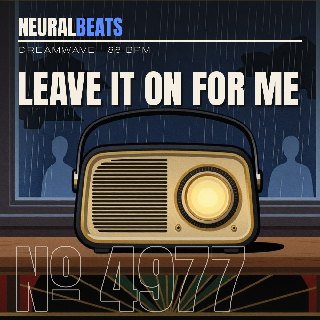

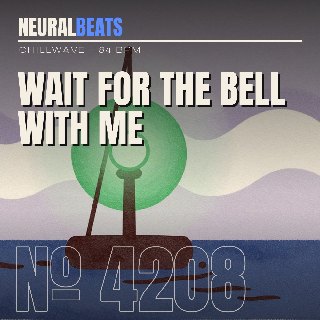
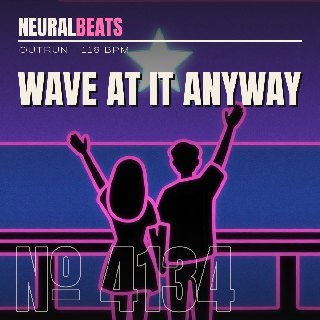
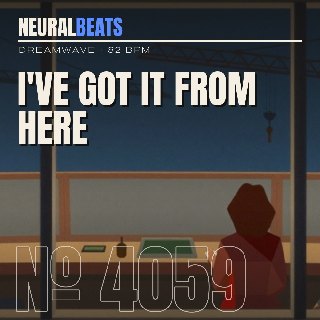


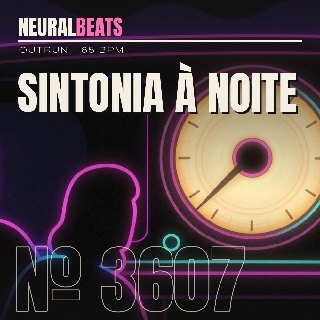
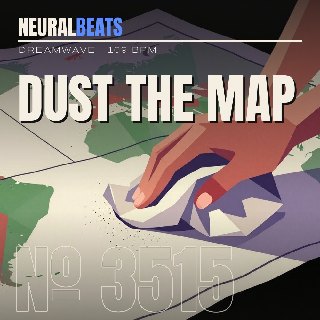

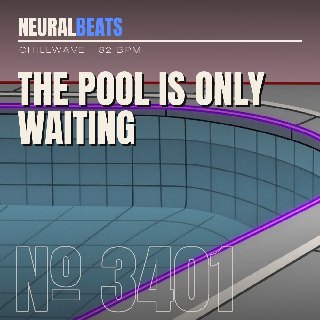
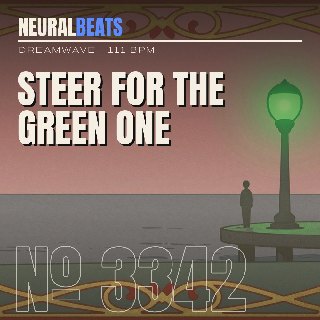
The band
 Inês Carvalhoco-lead vocals, lead synths, songwriting
Grew up in Matosinhos and took classical piano at the conservatory in Porto until she was nineteen, then quit to study acoustics. She still runs the dome sound at a planetarium and writes most of the melodies on its old projection-room upright. Quiet and exacting. Off stage she can seem distant, and she will rewrite one line of a chorus forty times without telling anyone why. In the studio she knows exactly what she wants and finds it hard to explain, which leads to long silences and the odd sharp word. On stage she hardly moves, stays half-turned to her synths and sings with her eyes closed, but she watches the room between songs and always thanks the people at the back first. She is wary of attention and dislikes interviews. She would rather the band had a long, slow career than a quick spike.
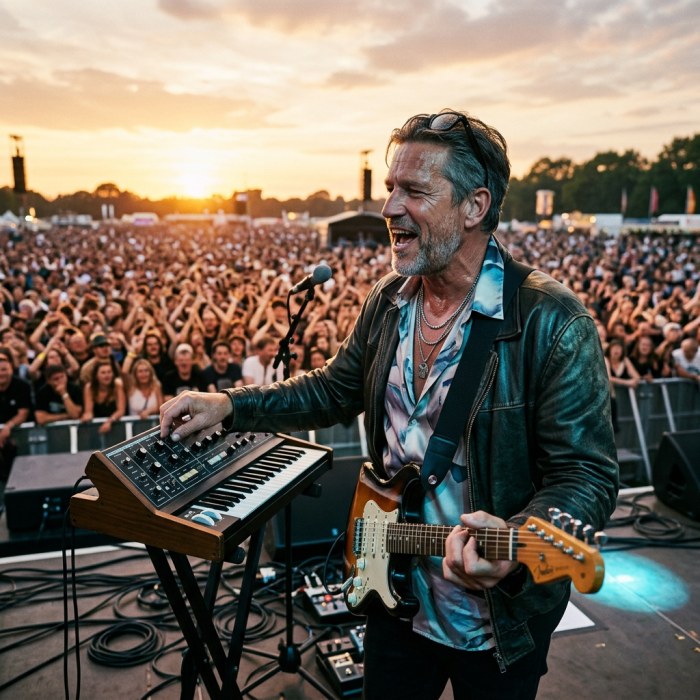 Rui Teixeiraco-lead vocals, bass synth, rhythm guitar
Has operated a container crane at the harbour for fourteen years and still works shifts there. As a teenager he played bass in a loud local punk trio that mostly gigged in garages. He found he loved crooning only when he started singing old ballads at the repair shop's jam nights. Warm, funny and easygoing with a sentimental streak. He is also impatient with long sessions and will leave for a coffee in the middle of a take. He records best on the first or second try and argues for keeping the rough take. On stage he is the band's host. He leans on the mic stand, tells short stories about the night shift between songs, and makes a big room feel like a kitchen. He takes his singing seriously and himself not at all.
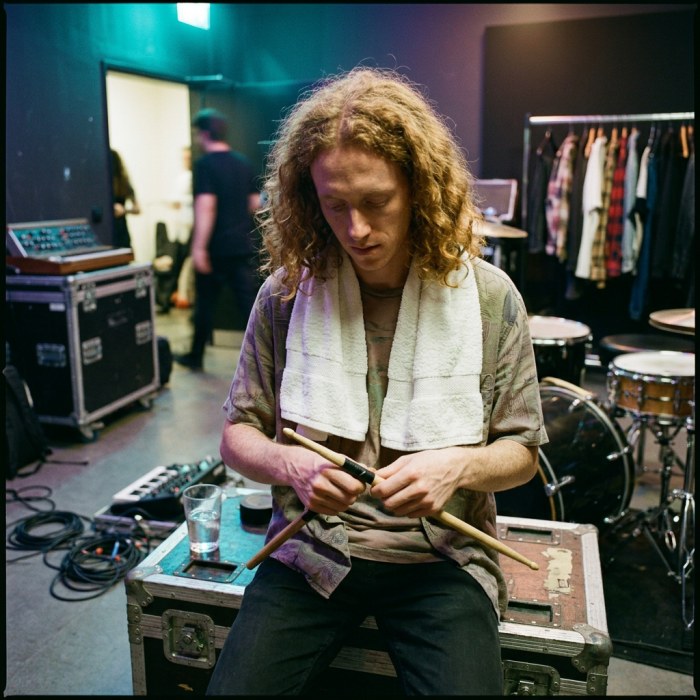 Tiago Mendesproducer, drum machines, keyboards
Self-taught. He began by taking apart his uncle's broken home keyboard at twelve, then took a short audio-engineering course and now runs a synth and amplifier repair shop near the port, which is where the band rehearses. Before Telemetry Lido he made instrumental tracks alone under different aliases and never played them live. Restless and obsessive about gear. He will rebuild a drum sound from scratch at three in the morning and gets defensive when someone touches his patches. In the studio he produces everything, with layers of tape hiss and long reverb tails, and he thinks the mix is the composition. On stage he stands at a table of machines, barely speaks and nods along, but he does improvise long, slow intros that change every night.
What they sing about
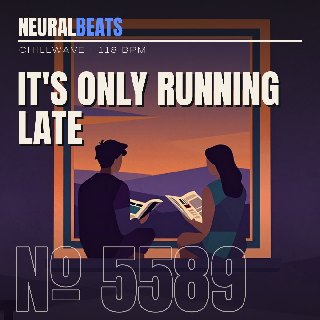
It's late, not cancelled. Keep the porch light on and the room ready.
Floating in the dark under the sky is the nearest thing to space most of us will get, and it's free.
Watching a satellite cross the sky is proof that people can still build something patient and beautiful together.
Fixing something is a kind of love letter. Throwing it out is giving up too early.
The people awake while the city sleeps are holding it up, and they deserve their own anthems.
Fog doesn't hide the world, it just makes you trust the lights you can still see.
The drawings were naive but the hope in them was right, and it's worth inheriting.
A signal sent across a long distance still counts, even if the answer takes years.
An empty pool isn't sad. It's waiting, the way people do.
You don't outgrow wonder. You just get better at looking after it.
A voice on late-night radio can keep a stranger company, and that's no small thing.